If you’re living with more than one dog and you are feeling overwhelmed, this is for you. Regular training doesn’t address how to deal with multiple dogs so I’ve some up with some solutions to make your life calmer in a multi-dog household.
I have lived happily with as many as 7 dogs because it’s not how many dogs you have- it’s how well behaved they are. Behavior isn’t the same as training but it starts with training. That’s my first recommendation because it’s the foundation to good behavior. Basic training includes sit, down, stay, come and walking nicely. When you have more than one dog, it also includes compliance when the other dogs are around which is not always easy. It also requires the other dogs to behave while you’re working with one dog. You can choose between online like flambouniversity.com, group classes or private classes but that’s where you’re going to get the most bang for your behavior buck.
Other ways to make life with multiple dogs easier and happier are- Table Manners- taking control of feeding time and asking for proper behavior is a good way set the standard of behavior. Every dog should have their own bowl and shouldn’t eat from other bowls. Serve each dog individually when they are being good or release them from stay to their own bowls. This requires supervision but it’s that supervision that puts you in control of the resources.
Going for a walk- walking nicely is so important behaviorally. Dogs don’t need to know how to heel but they should know where to be, not to pull and, with multiple dogs, to leave the other dogs alone. Start working with each dog individually and then, when they can behave on their own, put them together keeping the walks short at first so that they’re successful.
Company’s Coming- Dogs love company! Unfortunately, dogs show their love a lot differently than humans do and it’s not always appreciated. Barking, jumping up or zooming around the room can be overwhelming or frightening for some people. Teaching good company manners is a must. The main rule is that people greet dogs; dogs don’t greet people. Not opening the door until the dogs are calm and ways from the door is a good way to keep control of the situation. Then if your company is your crazy brother, you can release the dogs to be just as wild as they want or you can have them stay where they are while you grab your Uber Eats order.
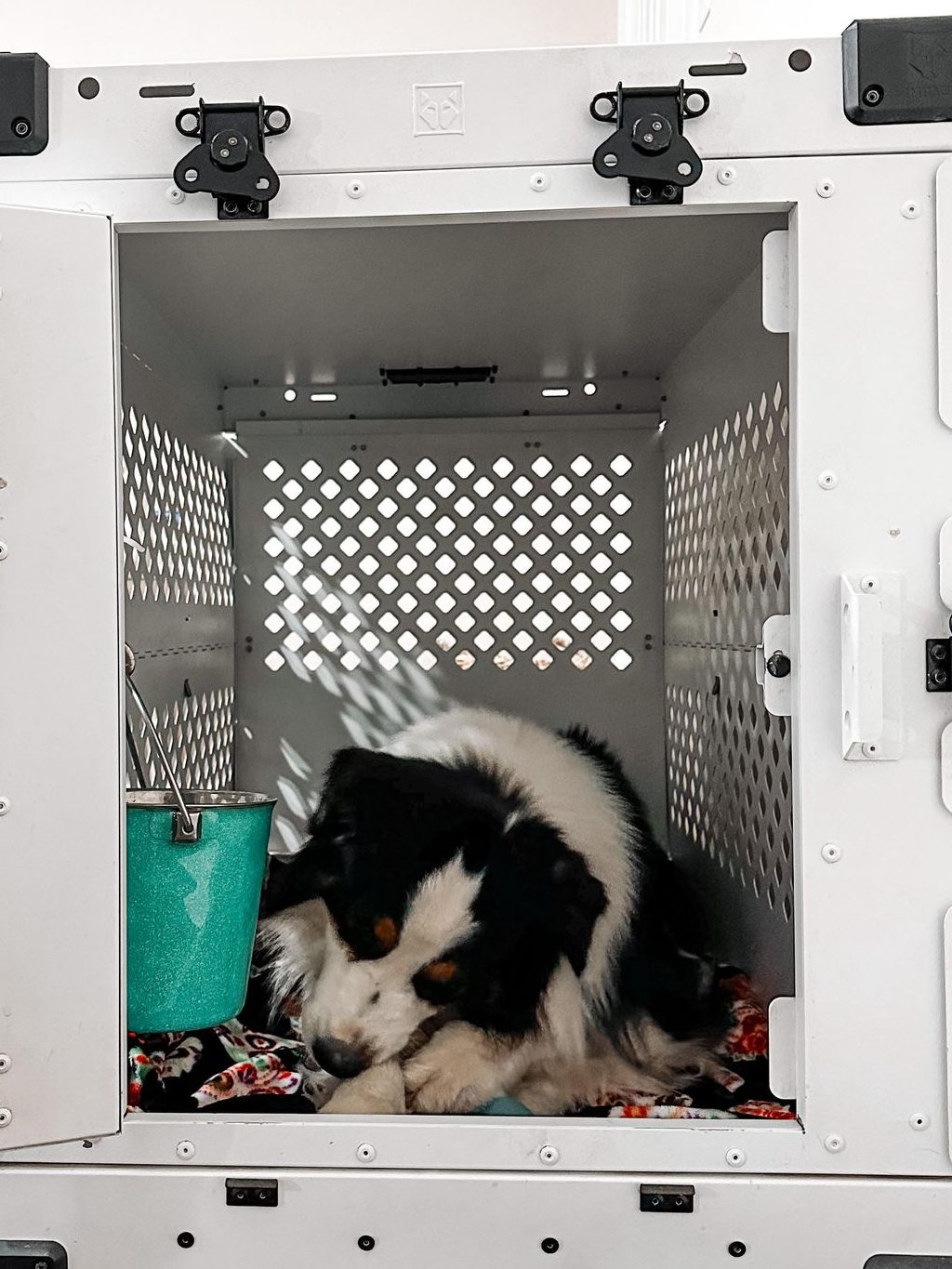
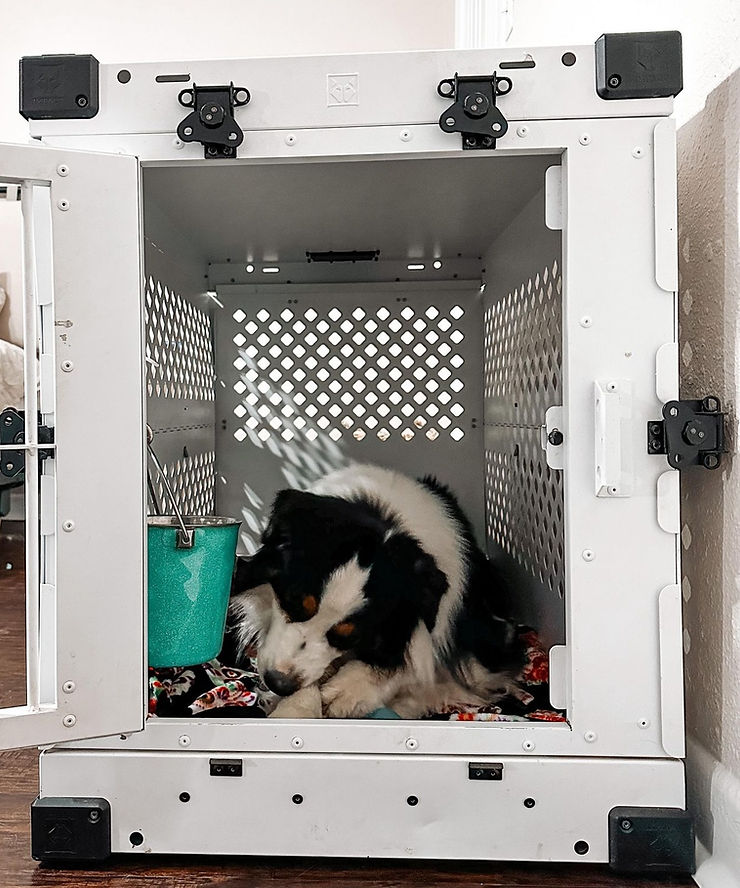
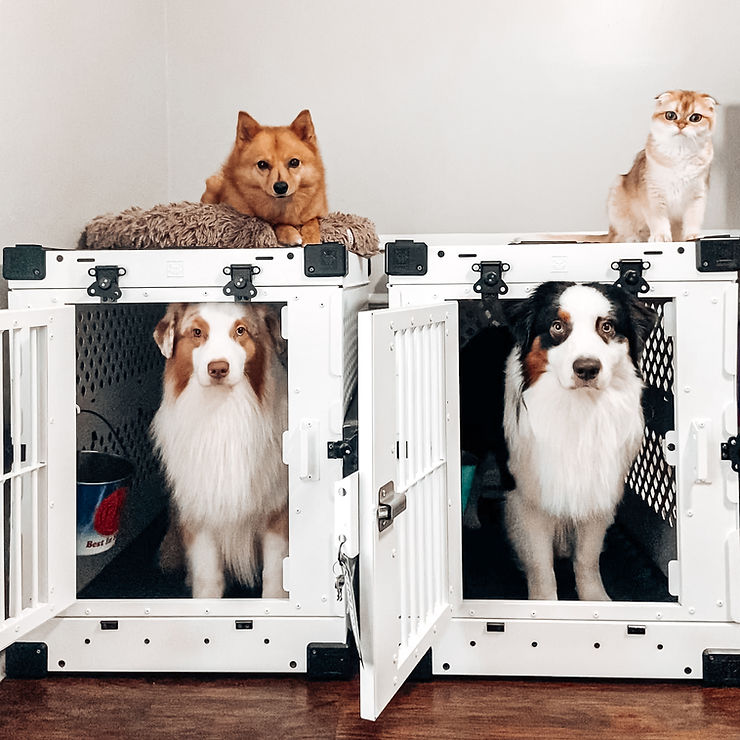
Chilling- every dog needs- no, deserves- a place for some down time. Crates are my first recommendation but you can also use beds (one bed per dog) or different rooms. This is the opportunity to let your dogs not only relax but also enjoy some heavy duty chewy without having to worry about the chewy being “stolen”. Chewing uses a lot of energy so this quiet activity is a good way to bring down the overall craziness.
Fun and Games- it’s a good idea to have a way to tire out your dogs or they’re going to find their own way and you probably won’t like it. It’s better to teach them some fun games to get out that energy and also put you in charge. You can play games one-on-one or you can make it group play. Either way, for behavior’s sake, games have rules and boundaries that you get to chose.
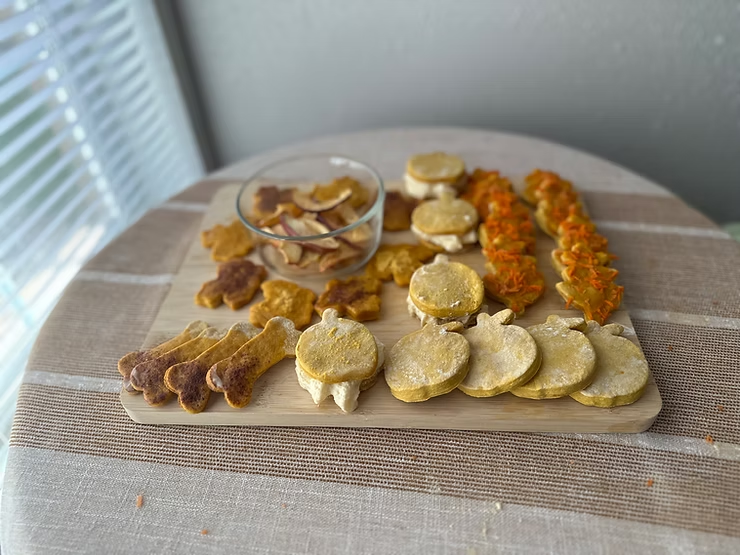
Fall is finally here, and that means it’s time for cozy sweaters, crisp morning walks, and all things pumpkin—especially for our dogs! If you’re anything like me, your pups are part of the family, and they deserve to enjoy the season just as much as we do. These DIY 3-ingredient pumpkin dog treats are not only easy to make, but they’re also the perfect way to bring those warm autumn vibes into your dog’s snack time even if you’re like me living in Texas and it’s still 90 degrees outside.
Woof Woof, Bark – Flambo
Nothing says fall quite like pumpkin, right? It’s not just a seasonal staple for us—pumpkin is fantastic for your dog, too! Packed with fiber and great for digestion, using pet-safe pumpkin purée makes these treats both delicious and healthy for your pups. Make sure you’re grabbing plain pumpkin purée (the kind without added sugar or spices), so your dog or dogs can fully enjoy its benefits.
DIY 3 ingredient Pumpkin Dog Treats
Ingredients
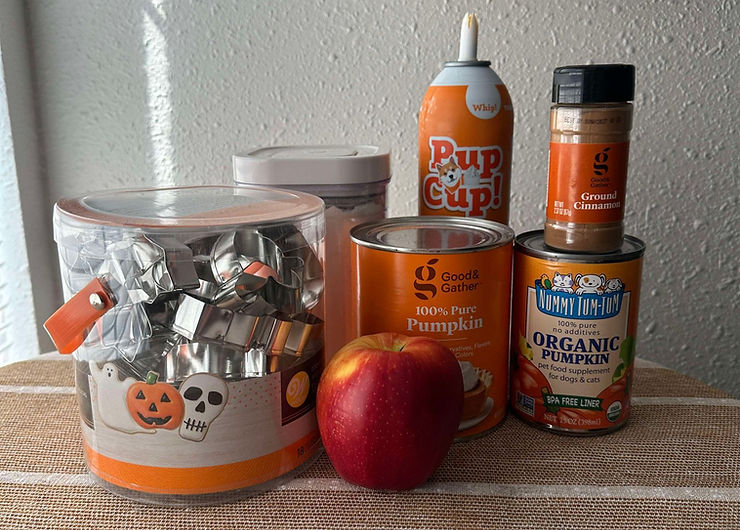
1 can pet safe pumpkin puree
3 cups flour
1 tablespoon coconut oil
Directions
Preheat oven to 350.
Mix one can of pumpkin puree with 3 cups of flour and one table spoon of coconut oil.
Roll out dough on flour and cut into desire shapes.
Bake for 20-25 minutes.
Serve or decorate.
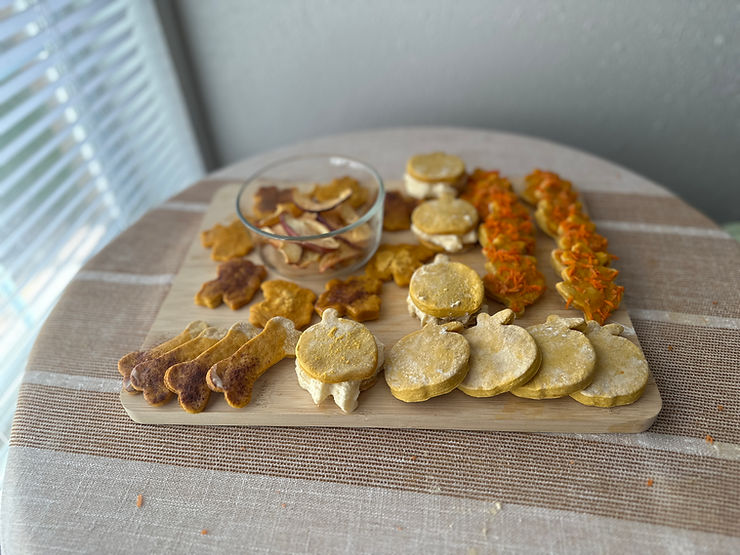
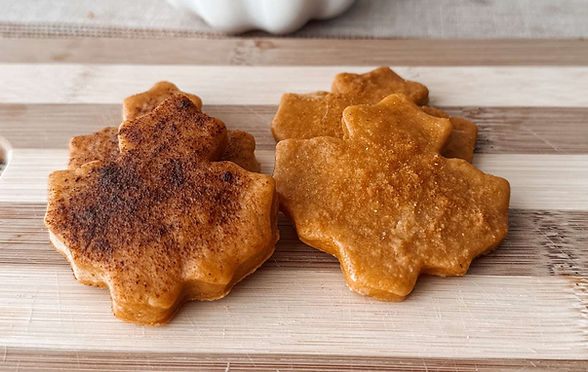
If you want to make your treats a little extra like I did you can top them with coconut oil, cinnamon, Rogue Pet Science Pumpkin or pumpkin puree.
If you make these treats at home let me know how much your dog enjoyed them!
3 ingredient Pumpkin Dog Treats
A short recipe description goes here….
⏲️ Prep Time 2 Hours
⏲️ Cook Time 10 Min.
🍴 Serves 4
🍽️ Meal Any
Ingredients
3 cups all-purpose flour
1 can pet safe pumpkin puree
1 tablespoon coconut oil
Directions
Preheat oven to 350.
Mix one can of pumpkin puree with 3 cups of flour and one table spoon of coconut oil.
Roll out dough on flour and cut into desire shapes.
Bringing a new family member home is always an exciting adventure. But when that family member is an older dog, like my five-year-old male, Palmer, it can be both rewarding and challenging. Palmer is not just any dog; he’s the littermate brother of my Flambo and is coming from a less-than-ideal situation. This means he’ll need a little extra love, patience, and understanding as he adjusts to his new life. In this blog post, we’ll explore the journey of welcoming an older dog into your home and discuss some essential steps to set them up for success.
This is Palmer. Originally, he was sold to a woman who shared a passion for showing and breeding healthy dogs, hoping to contribute to the betterment of the breed. On paper, everything seemed promising – she had experience in grooming, a deep love for the breed, and a genuine desire to make a positive impact.
However, as years passed, her initial intentions took an unexpected turn. Despite owning three dogs from the same breeder, none of them were ever shown. Their breeder made efforts to encourage the owner to get them in the ring, but it seemed like an opportunity missed.
In April Sharon received the call that no breeder ever wants. The owner confessed that the dogs had been bred against the contract, resulting in the loss of one puppy. Desperate to avoid legal consequences, she pleaded with their breeder not to take legal action. It was during this time that their breeder, Sharon, realized the extent of the neglect.
Palmer’s former owner attempted to evade the situation by relocating to a different state, but Sharon’s primary concern was rescuing the dogs from their unfortunate circumstances. She went to great lengths, including hiring a private investigator to track down their whereabouts. In a compassionate gesture, she offered to forego any legal action pertaining to the broken contract if the dogs could be safely and swiftly returned.
Despite the owner’s attempt to manipulate the situation by bribing the transporter to lie and say the dogs ran away, the three dogs began their journey to Texas, away from the troubles of their past.
Sweet Palmer bore the scars of his ordeal, with a head wound and a body that had been reduced to skin and bones, a dull dry coat and stained. He did not know his name, and his body was covered in fleas. It was evident that he had suffered physical harm. The six-year-old female was even worse, having been subjected to multiple pregnancies, including one just months prior. She, too, was skin and bones, worse off than Palmer and was reduced to a shell of herself. No idea of her name at 6 years old. As for the youngest, we can assume she was the favorite, for she knew her name and had managed to maintain a somewhat healthier weight.
Now, here’s where things get really concerning. Palmer’s previous owner admitted that the four-year-old female dog had never seen the inside of a vet’s office or recieved any shots. It’s sad to say, but it’s likely that Palmer hadn’t either because she refused to provide any proof of vet care for him.
But it’s not just about vet visits; it’s also about the everyday care that was missing. These poor pups were never given any protection against common problems like fleas, ticks, and heartworms. You see, these are things that most dog owners take for granted, keeping those pesky bugs off and protecting your dog from heartworm disease.
Palmer’s body showed the toll this neglect took on him. He was infested with fleas, and the lack of heartworm prevention meant he is at risk for a potentially life-threatening condition. It’s a stark reminder that being a responsible pet owner isn’t just about the fun stuff; it’s about taking care of their health and well-being too.
1. Create a Safe and Comfortable Space
Palmer may have had a difficult past, so it’s crucial to provide him with a safe and cozy space where he can relax and decompress. Set up a designated area with a comfortable bed, some toys, and water where your dog can retreat to when they need some downtime. This will help them feel secure and gradually become more comfortable in their new environment.
2. Be Patient and Respectful of His Pace
Every dog is unique, and Palmer is no exception. Understand that your dog may take some time to come out of his shell and fully trust you. Avoid overwhelming your new dog with attention and let them approach you on their terms. Patience is key during this adjustment period.
3. Establish a Routine
Dogs thrive on routine, and it provides a sense of security. Try to establish a daily schedule that includes regular feeding times, potty breaks, and exercise. Consistency will help Palmer understand what to expect from me and make him feel more at ease in his new home.
4. Socialization and Exposure
While it’s important to give your new dog some space initially, gradually expose them to different people, places, and experiences in a controlled and positive manner. This will help them build confidence and become more comfortable with the world around them. Keep these early outings short and pleasant to prevent overwhelming them.
I picked Palmer up while at a dog show so I was able to get a general idea of how he was around lots of noises, crowds, dogs, children running, food, etc. By doing the AKC Farm Dog I was able to see how he was around goats, chickens, a baby pig and see how he handled different sourfaces including metal, tarp and hay. I am very lucky that he was rock solid.
5. Training and Positive Reinforcement
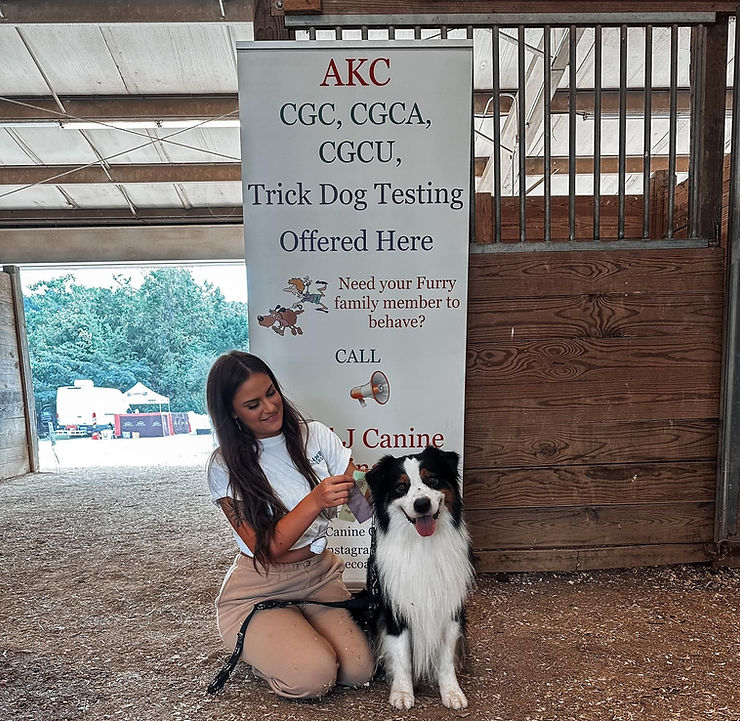
Older dogs can still learn new tricks! Invest time in positive reinforcement training to build a strong bond with Palmer. Reward-based training methods can help him understand your expectations and feel more integrated into your family. Palmer seemed extremely happy to finally have a job and got his Canine Good Citizen and Farm Dog title after three days!
6. Health and Wellness Check
Ensure your dog receives a thorough health checkup from a veterinarian soon after his arrival. Address any medical issues promptly, and establish a wellness plan to keep him healthy and happy in the long run.
7. Provide Love and Attention
While giving Palmer space is essential, it’s equally crucial to shower him with love and attention. Spend quality time together, engage in play, and show him that he’s a cherished member of our family. This will help him feel secure and strengthen our bond.
Where are the others now?
The 6 year old female is now name Alie, by a twist of fate her perfect home fell into her lap. While at the dog show my roommate’s parents drove up to watch the dogs show. They had just lost their family dog only two weeks prior, she had lived a full and very spoiled life and being around their grand dogs I think helped a little.
I joked after they left that they needed an aussie when my roommate said “They actually asked about getting information on one for the future”. The lightbulb went off in Sharon’s head and she sent them infomation about Alie, we met them on the way home for them to take her on a test trial because they didn’t know if it was too soon but it was love at first sight.
She now gets to go the work with her mom, hang out and watch TV with her dog and be absolutely spoiled on the farm.
The youngest Jojo, is with Sharon to be trained and evaluated and after that she will decide what is best for her.
When it comes to choosing buttons it can be a bit overwhelming. When I started teaching Flambo to speak there was really only one option, learning resources. Quickly after came fluent pet and then the craze to mass produce recordable buttons over flooded the market.
One of my very first yotube videos was comparing the three brands of buttons I owned. Since then so many have come onto the scene, so where do they all rank now?
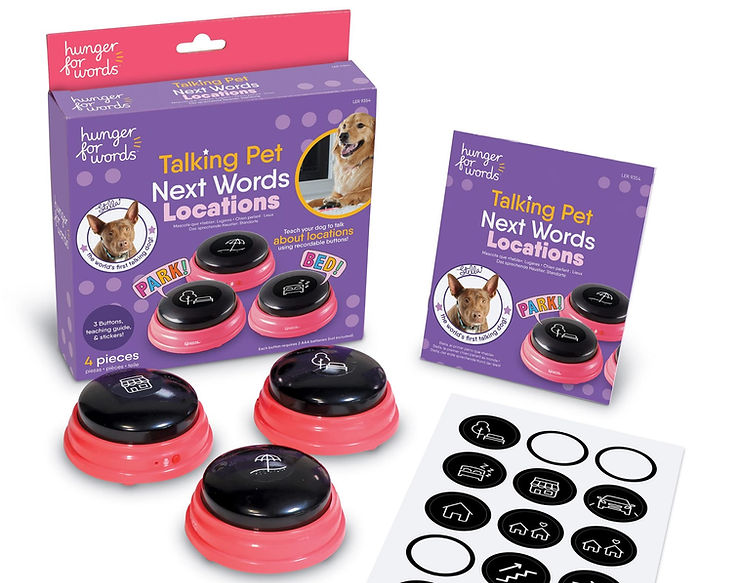
My old favorite got a new look thanks to Learning resources teaming up with Hunger for words the created of this method. Now I really enjoyed the old buttons but I have to say I see big improvements in these new models and not to mention new, prettier colors.
The new buttons have three different packs to choose from; “locations” which is pictured “Essential” which is pre-recorded and “names”. Along with labels included they also came out with their own board and a way to keep track of the words used.
You can see my unboxing and first impressions of the new line on youtube.
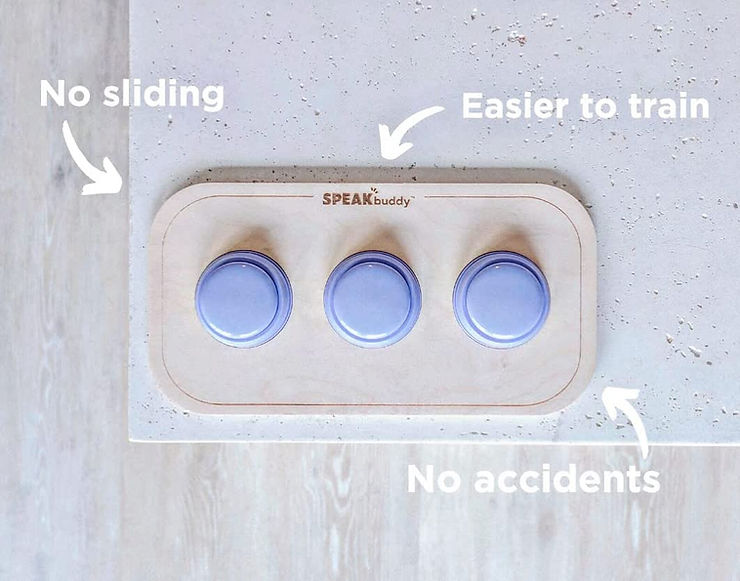
You’d think looking at this board that it’s major draw was how it looks. It’s sleek unfinished wood board gives you a minimal vibe with unlimited potential to customize it. Stain it, paint it or leave it as is.
The buttons are a pleasing purple which really is a step above all the primary colored buttons you see daily. But what really makes these buttons stand out? The sound quality.
Why don’t I use them? I have about 100 of my orignial buttons and well that’s a lot of money to switch.
Besides your dog having to remove their paw for the sound to play and that they don’t fit in the fluent pet hextile or offer linking boards I have yet to find a flaw.
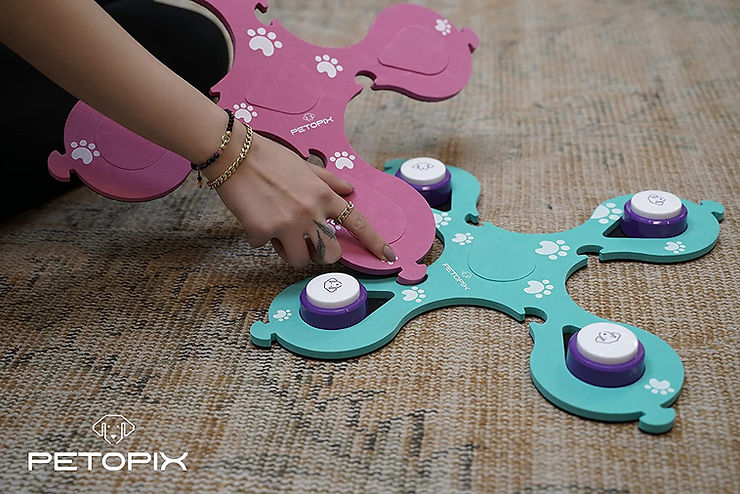
This one may not be one you’ve heard of but it absolutely should be. For a smaller button they have decent sound quality and a cool X shaped board which I’ve found to be a space saver and allows you more sape options when putting your board together.
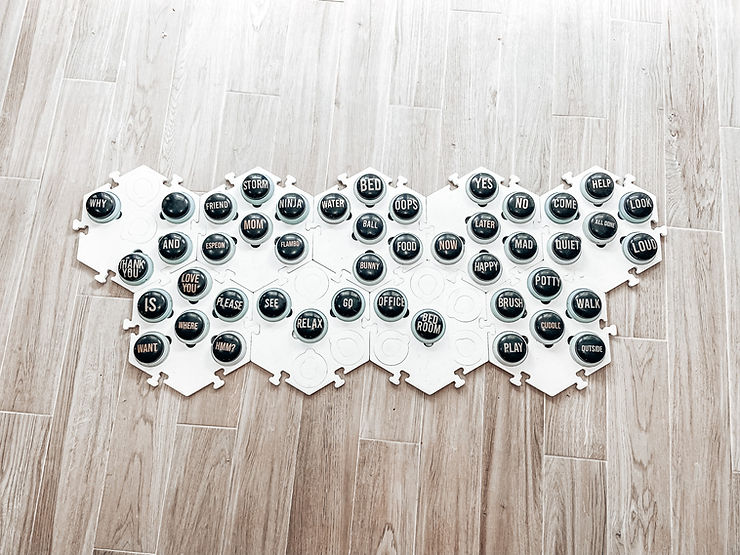
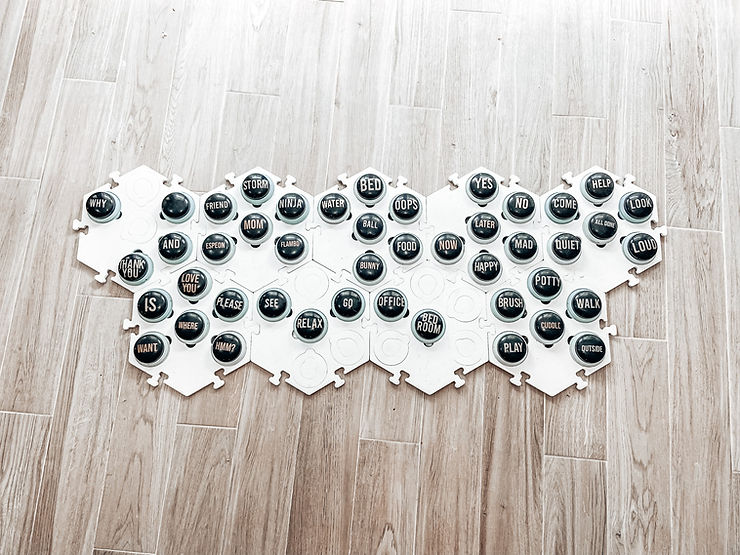
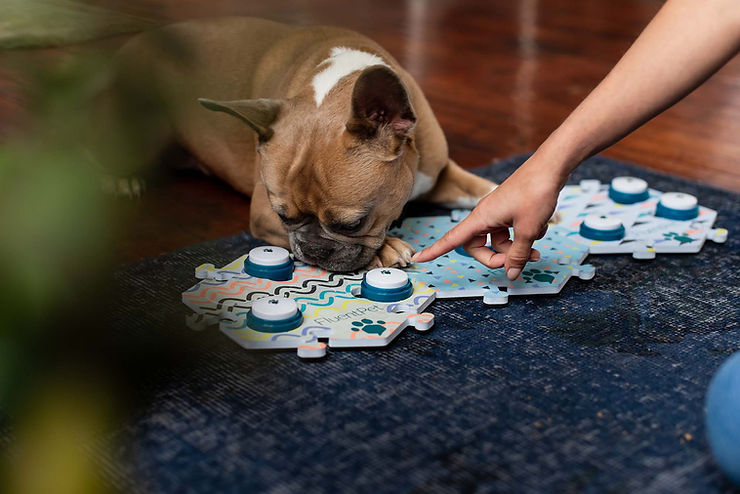
When it comes to the button dog language Fluent pet is at least fourth in my heart. While I am not impressed with their sound quality or high prices, they are number one when it comes to their Hextiles! These little squares come in two different sizes: One for Fluent pets and a larger one for learning resources- perfect for beginners.
Their website has an entire page dedicated just to new talkers– what animal you speak for and how often. You can even find out about where the company started, who makes them now, and all about those people too!
Potty training your puppy can be an arduous task, but it doesn’t have to be! With the right amount of patience and consistency, potty training your puppy can be a relatively simple process. It’s important to remember that just like any other type of puppy training, consistency is key. In this blog post, we’ll be discussing the do’s and don’ts of potty training your puppy, so you can get the best results for both you and your pup.
Do research before you start
When it comes to potty training your puppy, it’s important to do your research before you start. There are many different methods of dog training, and each can be effective in helping your pup learn the ropes when it comes to potty training. It’s important to explore all the different options available to find the one that best suits your pup and your lifestyle.
For example, if you have a more independent breed of dog, you may need to implement a more hands-on approach to potty training. This may involve using a crate or a designated area, along with positive reinforcement techniques such as verbal praise or treats. On the other hand, if you have a very attentive and affectionate breed, you may want to use a gentler approach, such as playtime and rewards.
No matter which method you choose, it’s essential to stay consistent and patient throughout the process. Consistency is key for successful dog training, so it’s important that you keep at it until your pup has learned their potty habits. Additionally, it’s important to remember that every puppy is different and will require an individualized approach tailored to their needs.
To make sure you are well-equipped for potty training your puppy, take the time to do some research into different methods of dog training. The more prepared you are, the more likely you are to get positive results!
Do crate train your puppy
Crate training is an essential part of dog training and is an important step in the process of training your puppy. Crate training helps to keep your puppy safe while unsupervised, prevents destructive behavior such as chewing, and helps establish a routine for potty breaks.
When you crate train your puppy, you are teaching them that the crate is their safe space. This allows them to relax, as it’s their own private den. Your puppy will learn to associate the crate with positive feelings, rather than feeling anxious or scared when in it.
You can also use the crate as a tool to help potty train your puppy. For example, if you take your pup outside every hour, they are more likely to associate going to the bathroom outside instead of inside the home. Additionally, puppies are naturally clean and don’t like sleeping in their own waste; so, using a crate can encourage your puppy to hold their bladder for longer periods of time.
Finally, crate training can help prevent destructive behavior. If you can’t monitor your puppy all the time, putting them in their crate is a good way to keep them from getting into trouble. This will save you time, energy, and money from having to replace destroyed items.
Overall, crate training is an important part of training your puppy and should not be overlooked. It teaches your pup important life skills, establishes a potty routine, and helps prevent destructive behavior. All of these benefits are why crate training is essential when it comes to dog training.
Do use positive reinforcement
When it comes to dog training, positive reinforcement is the way to go. Positive reinforcement training involves rewarding your dog for desired behaviors and avoiding punishments for undesirable behavior. This type of training reinforces good habits and teaches your pup how to behave in a positive manner. It can be used to potty train your pup by rewarding them when they go potty in the right spot.
Using positive reinforcement when training your dog has many benefits. When you reward your pup with treats or praise when they display the desired behavior, they learn faster and retain more information. Furthermore, positive reinforcement also strengthens the bond between you and your pup, as your pup will associate good things with being around you. Additionally, your pup will feel less stressed and fearful if you only use positive reinforcement during training.
If you want to effectively potty train your pup, using positive reinforcement is the best way to do it. Rewarding your pup for going to the bathroom in the designated area will make them more likely to repeat that behavior in the future. You may even be able to teach your pup certain commands related to potty training, such as go potty or go pee. Doing so will make the process smoother and ensure that your pup is more likely to understand what you want from them.
Overall, positive reinforcement is an effective and gentle way to train your pup. When used properly, it can help potty train your pup quickly and efficiently while also strengthening the bond between you and your pup.
Do be patient
Training your puppy can be a long and trying process, but being patient is the key to success when it comes to dog training. It’s important to understand that dogs don’t immediately understand what you’re asking of them – they learn through repetition and positive reinforcement. Patience is essential in order to give your puppy time to get comfortable with their environment and understand what behaviors you are looking for.
When it comes to potty training, consistency is critical for success. This means that you must remain consistent and be willing to devote time every day to helping your puppy learn the proper potty habits. During this time, you should stay calm and patient. If your puppy has an accident, do not react in anger or frustration – this will only make them more anxious about going to the bathroom in the future. Instead, be encouraging and offer verbal praise when they go potty in the correct place.
Remember, patience is key when training your puppy! Giving your pup the time and space they need to learn will ensure that potty training goes as smoothly as possible.
Do keep a schedule
When it comes to dog training, keeping a schedule is an important step in potty training your puppy. Having a regular routine will help your pup get used to pottying at the same time every day. Additionally, setting a consistent schedule will make sure that you’re able to take your dog outside at the same time each day for them to relieve themselves. This consistency helps your pup understand when and where they should be going potty and builds a positive association with the activity.
Making sure your puppy is on a consistent schedule also helps to prevent accidents from happening around the house. With a regular routine, your pup will learn to hold their bladder for longer periods of time and know when it’s time to go outside and do their business. As you work on training your dog, using a set schedule will provide structure and help your pup develop good potty habits.
Don’t use punishment
When it comes to training your dog, it should always be a fun experience. Dog training is an incredibly important part of your pup’s life and will help them learn how to behave appropriately in different environments. If done correctly, it can help strengthen the bond between you and your pet, while also allowing them to learn valuable skills. That’s why it’s important to make sure that training is enjoyable for both of you.
One great way to keep training fun is to focus on positive reinforcement. Instead of punishing your dog for making mistakes, reward them when they get something right. This can include giving treats or verbal praise for good behavior. By taking this approach, you’ll be teaching your pup that good behavior is rewarded and that misbehavior is not.
It’s also helpful to have realistic expectations for your pup. Dogs don’t learn as quickly as humans do, so patience is key when it comes to training them. Additionally, keep in mind that different breeds learn at different speeds, so try to find the best methods for teaching your particular breed.
Finally, make sure to keep training sessions short and sweet. Longer sessions can be overwhelming for your pup, leading to boredom and confusion. Stick to shorter, more frequent training sessions that are fun and engaging for both of you.
By following these simple tips, you can ensure that training your pup is a fun and rewarding experience. So grab some treats, get out in the backyard, and start teaching your pup the skills they need to be a well-behaved pet!
Don’t give up
When it comes to potty training your puppy, it can be an incredibly frustrating and tiring process. It’s important to remember that dog training isn’t something that will happen overnight; rather, it takes a lot of patience and consistency in order for your puppy to learn the proper behaviors. When it comes to potty training, don’t give up if your pup has a few accidents or doesn’t seem to understand the concepts right away.
Training your dog is a two-way street; you have to make sure you are giving them the right signals, while also giving them positive reinforcement when they do something correctly. It can help to create a routine for your dog, so that they know when it’s time to go outside and do their business. Additionally, take them out frequently throughout the day, especially after meals and naps, and reward them with treats or praise when they eliminate outside.
It’s also important to remember to remain consistent with your commands and expectations. Dogs need to learn and understand boundaries, and if you give in when they do something wrong, they won’t learn anything. Finally, don’t forget to be patient; potty training can take time, so keep up your efforts and eventually you will have a well-behaved pup!
Don’t get frustrated
Potty training your puppy can be a difficult and frustrating experience. You may find yourself losing patience with your pup, but it’s important to remember that this is all part of the learning process. Dog training can take time and patience, so don’t get discouraged. One of the most important aspects of training your dog is to remain calm and consistent. If your pup makes a mistake, provide a gentle correction and then move on. Yelling or punishing your pup will only cause them to become more anxious, making it harder for them to learn. Be patient, consistent, and positive in your approach. With enough time and dedication, you and your pup will soon be potty-trained pros!
This post may contain affiliate links, which means I’ll recieve a comission if you purchase through my link.
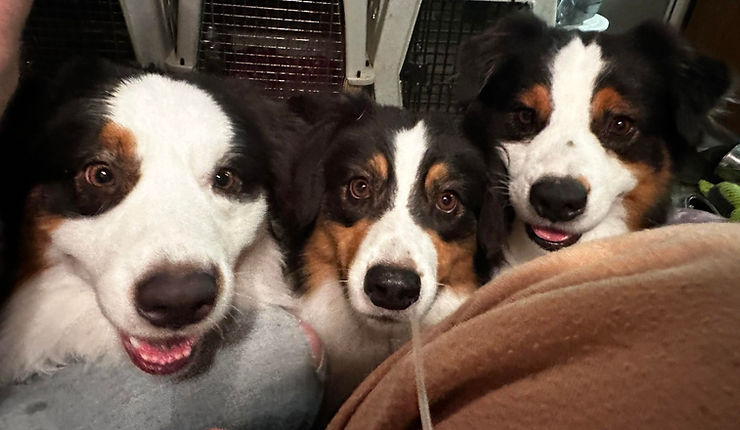
Traveling the world with dogs is one of the most rewarding experiences, but it also requires a bit of planning and the right gear to keep everyone comfortable and safe. Over the years, my dogs—Flambo, Palmer, Espeon, and York—have become seasoned travelers, whether we’re flying across the globe, road-tripping, or exploring new destinations. Through it all, I’ve learned that having the right products makes all the difference.
In this post, I’m sharing my go-to dog travel essentials that I never leave home without. From keeping my pups cozy during long flights to ensuring they’re safe and happy during our adventures, these must-haves make traveling with dogs a breeze. Whether you’re planning a weekend getaway or a big international trip with your furry friend, these items are sure to make your journey smoother. Let’s dive into my top dog travel products!
Backpack that fits it all
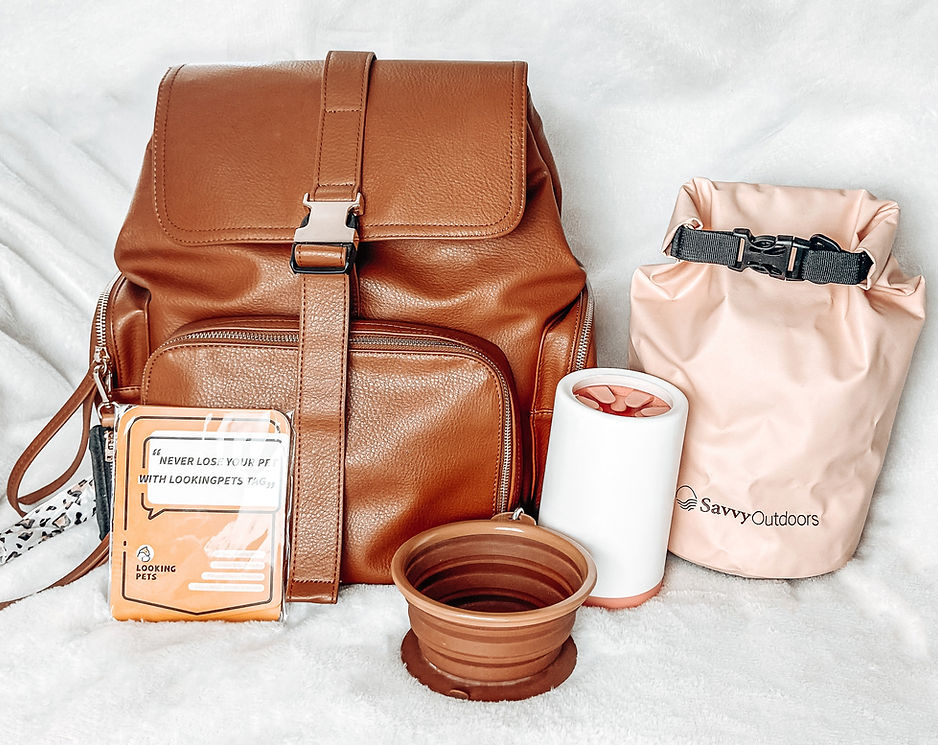
After countless road trips, flying across the US and world I invested in this stunning diaper bag to use for Flambo’s stuff. With so many storage pockets it’s perfect to stay organised and to fit way more than you’d ever imagine.
Perfect travel bag for dog food
Traveling to dog shows you’ll see a million similar Purina bags like this that they often give as prizes or to Purina members. To knowledge they are not available for sale. I set out to find a smaller bag that looks prettier and it didn’t take long to find it. This waterproof dry bag comes in multiple sizes so you can find the right size for whatever future trip you go on and it comes in multiple colors.
Travel bowl
This Travel bowl hook is perfect to put on my bag’s main clip in the bag for easy access, plus it’s the same color so win-win. It has a suction cup on the bottom which will keep it in place on most tile and wood floors.
Paw cleaner
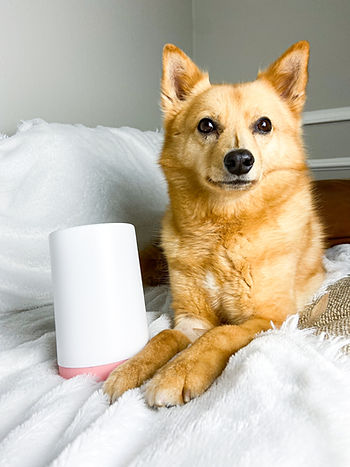
Honestly this paw cleaner is a game chager for travel and at home. Paws are so quick to get dirty and by just adding water and rinse free shampoo you’ll have clean paws in no time.
Looking pets tag
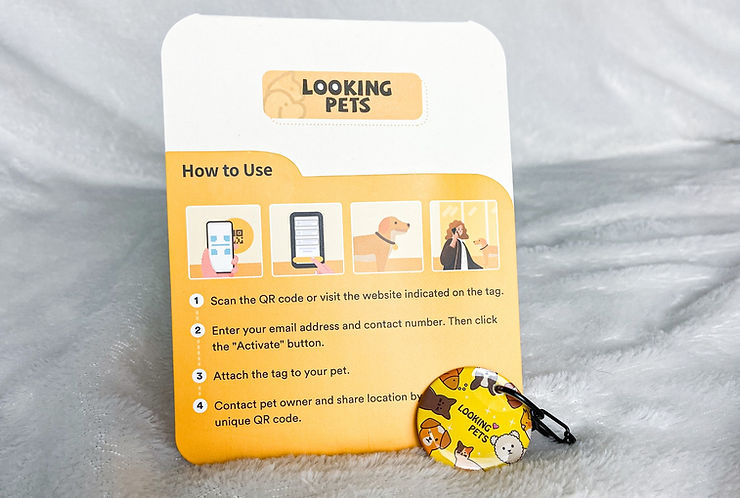
Your pets should always be microchipped but with the looking pets tag it gives you a little extra security. If the tag’s QR code is scanned it tells you their exact location so you can head that way and find them sooner than later. And it’s only free with shipping.
Poop bag holder
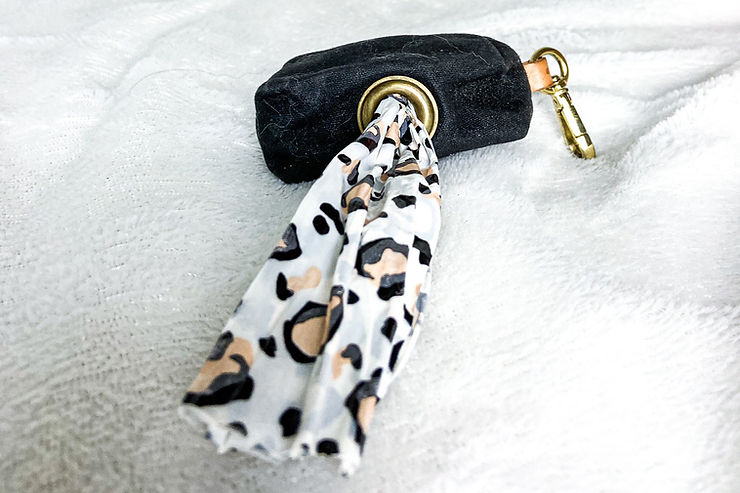
Poop bags are a dime a dozen but after recieving the Foggy dog poop bag holder it has been my favorite. It has held up perfectly for over a year and they come in so many colors to match your style.

 Flambo and Friends